














Cardistry - The Art of Juggling with Cards
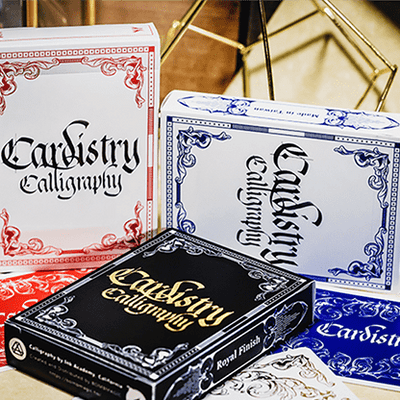
Cardistry Decks | Playing cards are always used wherever you use card-juggling artistry. Cardistry is the name given to the performance art of card flourishing and artistic packet cuts. The term is a combination of "card" and "art". Unlike card magic, cardistry is meant to be visually impressive and very difficult to perform.
History of Card Art
The conjuring of tricks with playing cards became popular around the 19th century. At that time, simple card moves such as the Charlier Cut, Riffle Shuffle, and Thumb Fan were often used by magicians to demonstrate artistic handling of cards.
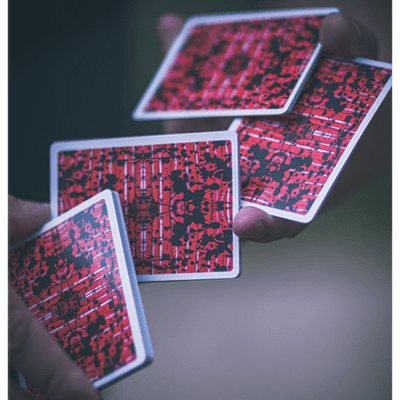
Cardistry is about creating fans, artistic patterns, and sequences with playing cards using your hands. Various techniques can be used. The goal is to create a captivating movement and a beautiful display. The effects are limited only by the type of cards used, the imagination, and the performer's degree of manual dexterity. The presentation is usually neither "illusions" nor supposedly "magical," but rather like juggling, pantomime, or similar entertaining activities.
First Cardistry Moves in Books
The American magician Chris Kenner was familiar with Cardistry Decks | playing cards. In 1992, he published Totally Out of Control, a manual on magic tricks with household objects. On page 125 was a two-handed flourish that he called "The Five Faces of Sybil". The final display of Sybil shows five different packets held between the fingers.
Kenner described Sybil in his book as "a fast flourish that demonstrates skill and dexterity". The cut became the most notable creation of Totally Out of Control and would eventually form the core of what is known today as cardistry.
Kevin Pang of Vanity Fair noted that "every cardist should be able to perform Sybil skillfully, just as guitarists can play through a blues progression".
Los Angeles-based magician Brian Tudor released a VHS tape in 1997 titled Show Off, which showed only flourishes and contained numerous variations of Sybil. The tape was well received by critics and led to growing attention for cards as performance art.
The Spread of XCM Art
Sybil enthusiasts and twin brothers Dan and Dave released Pasteboard Animations in 2001, another VHS tape that explained advanced flourishes and cuts. It sold hundreds of copies and received critical praise in a Genii magazine review the same year.
In 2004, the twins released the instructional DVD The Dan and Dave System, in which this branch of card art was clearly separated from magic. They produced various Cardistry Decks | playing cards. Three years later, in 2007, Dan and Dave released The Trilogy, a DVD set with three discs.
The Trilogy is the best-selling cardistry release of all time, with more than 25,000 copies sold. Practically every cardist cites either The System or The Trilogy as a source of inspiration.